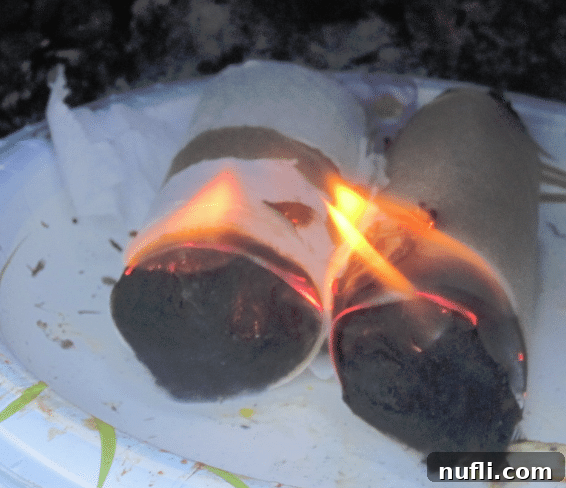
DIY Homemade Fire Starters: The Ultimate Guide to Using Dryer Lint and Toilet Paper Rolls
Discover how to create incredibly effective, budget-friendly, and eco-conscious fire starters right from your home! This simple DIY project utilizes two common household items – dryer lint and empty toilet paper rolls – transforming them into reliable ignition aids for your campfires, fireplaces, and emergency kits. Say goodbye to expensive store-bought fire starters and embrace a sustainable solution that works wonders every time.
Why Choose Dryer Lint and Toilet Paper Rolls for Your Fire Starters?
The inspiration for this ingenious homemade fire starter often comes from unexpected places, like popular crafting and lifehack platforms. Many people, like myself, initially approach the idea with a hint of skepticism. My partner, John, for instance, was quite puzzled when he first observed my growing collection of dryer lint and empty toilet paper rolls. However, once he saw the incredible effectiveness of these DIY fire starters in action, any doubt quickly disappeared. This project isn’t just a clever hack; it’s a testament to repurposing everyday waste into something genuinely useful.
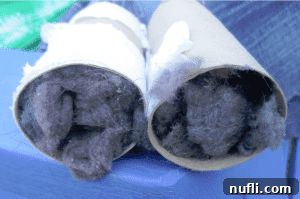
Dryer lint, often considered a nuisance to clean out of your appliance, is actually an excellent natural tinder. It’s incredibly fluffy, has a vast surface area, and is composed of highly flammable fibers (primarily cotton, linen, or natural blends from your clothes). When ignited, it catches fire quickly and holds a flame surprisingly well, making it perfect for initiating a larger fire. Toilet paper rolls serve as the ideal casing, holding the lint together and providing a convenient structure that allows for good airflow, crucial for sustained burning. Together, they create a potent and easily ignitable fire starter.
Gathering Your Simple Materials
One of the biggest advantages of these homemade fire starters is that you likely already have all the necessary components around your home. No special trips to the store or expensive gear required!
What You’ll Need:
- Dryer Lint: Start collecting this fibrous material from your dryer’s lint trap after each load. Ensure it’s dry and free from any moisture.
- Empty Toilet Paper Rolls: Save these cardboard cylinders instead of tossing them. They are the perfect size and shape for this project.
- Optional (but Recommended): A small stick, pencil, or spoon handle for stuffing the lint.
Step-by-Step Guide to Crafting Your Dryer Lint Fire Starters
Making these fire starters is incredibly straightforward and takes just minutes per piece. Follow these simple steps for success:
1. Prepare Your Materials:
Ensure your dryer lint is completely dry. Any moisture will hinder its ability to ignite effectively. Similarly, make sure your toilet paper rolls are dry and intact.
2. Stuff the Rolls with Lint:
This is the core of the process. Gently, but firmly, begin stuffing the dryer lint into one end of an empty toilet paper roll. Use your fingers or a slender object like a pencil to push the lint down and fill the roll evenly. The key here is balance: you want the roll to be full enough to hold a good amount of flammable material, but not so tightly packed that air cannot circulate. Airflow is vital for combustion. A common mistake is over-stuffing, which can smother the flame. Aim for a density that feels firm but still has a slight spring to it.
3. Leave a “Wick” (Optional but Helpful):
For even easier ignition, consider leaving a small tuft of lint protruding from one end of the roll. This acts like a natural wick, providing an exposed, easy-to-light point for your match or lighter flame to catch onto.
4. Repeat the Process:
Continue making as many fire starters as you need. These are perfect for batch production, so save up a good supply of lint and rolls!
Tips for Maximum Effectiveness and Optimal Performance
While the basic method is simple, a few expert tips can significantly enhance the performance of your homemade fire starters:
- Quality of Lint: Lint composed primarily of natural fibers (like cotton or wool) from towels, denim, or cotton shirts tends to burn best. Synthetic fibers can sometimes melt rather than burn cleanly, potentially creating more smoke.
- Ensure Dryness: As mentioned, absolutely dry lint is crucial. If your lint feels even slightly damp, spread it out and allow it to air dry completely before using.
- Strategic Stuffing: Avoid packing the lint too densely. A slightly looser pack allows oxygen to reach the fibers, facilitating quicker ignition and a more sustained flame. Think of it like kindling – it needs air to breathe.
- Plenty of Kindling: Remember, a fire starter’s job is to ignite kindling, not logs. Have small twigs, wood shavings, or crumpled paper ready to place around your lit fire starter to build your fire gradually.
- Experiment: Different types of lint and stuffing densities will produce varying results. Try a few different ways to find what works best for you and your specific lint.
Safety First: Essential Precautions for Fire Starters
Any activity involving fire requires careful attention to safety. While these homemade fire starters are excellent tools, they must be used responsibly.
- Outdoor Use Only (or in Approved Fireplaces): Always use your fire starters in a safe, controlled environment, such as a designated campfire ring, a fire pit, or a well-ventilated fireplace.
- Keep Away from Flammable Materials: Ensure no loose leaves, dry grass, or other combustible materials are too close to your fire starter or growing flame. Clear a safe area around your fire.
- Adult Supervision: Never allow children to handle fire starters or play with fire. Always ensure responsible adult supervision.
- Have Extinguishing Means Ready: Keep a bucket of water, sand, or a fire extinguisher nearby whenever you are starting or tending a fire.
- Never Leave a Fire Unattended: Even a small flame can quickly get out of control. Always extinguish your fire completely before leaving it.
- Proper Storage: Store your homemade fire starters in a dry, airtight container away from heat sources and out of reach of children and pets.
Beyond the Basics: Enhancing Your Fire Starters
While dryer lint and toilet paper rolls alone make fantastic fire starters, you can enhance them further for longer burn times or increased water resistance, especially for camping or emergency preparedness.
Wax-Dipped Fire Starters:
For a more robust and longer-burning fire starter, consider dipping your lint-filled rolls in melted wax. Old candle stubs, paraffin wax, or even beeswax can be used. Carefully melt the wax in a double boiler (never directly over an open flame). Once melted, use tongs to dip each lint-filled roll into the wax, ensuring it’s fully coated. Let them cool and harden on parchment paper. The wax provides a protective, waterproof layer and acts as additional fuel, extending the burn time significantly.
Incorporating Other Materials:
You can also mix small amounts of sawdust, shredded paper, or even cotton balls coated in petroleum jelly with your lint for added ignition power and burn duration. Just ensure everything is well-contained within the toilet paper roll.
The Versatile Uses of Your Homemade Fire Starters
These simple yet effective fire starters are incredibly versatile and can be utilized in a variety of situations:
- Camping Trips: Essential for quickly starting campfires, especially when wood might be damp or weather conditions are challenging.
- Backyard Bonfires: Make lighting your evening bonfire a breeze, allowing you to relax and enjoy the warmth faster.
- Fireplaces and Wood Stoves: Perfect for igniting logs in your home fireplace or wood stove, providing a cozy ambiance with minimal effort.
- Emergency Preparedness Kits: A must-have for any survival or emergency kit. In a crisis, the ability to start a fire quickly for warmth, cooking, or signaling can be life-saving.
- Barbecue Grills: Can be used to help ignite charcoal briquettes for grilling.
Environmental Impact and Cost Savings
Beyond their practical utility, these homemade fire starters offer significant environmental and economic benefits. By repurposing dryer lint and cardboard toilet paper rolls, you’re diverting waste from landfills and actively participating in a more sustainable lifestyle. This simple act of recycling reduces your environmental footprint. Furthermore, you eliminate the need to purchase expensive commercial fire starters, saving you money in the long run. It’s a win-win solution that benefits both your wallet and the planet.
Conclusion
Making your own fire starters from dryer lint and toilet paper rolls is an incredibly rewarding and practical DIY project. It’s a skill that combines resourcefulness, simplicity, and effectiveness, proving that sometimes the best solutions come from the most unexpected places. Whether you’re an avid camper, a fan of backyard bonfires, or simply looking for a smart way to be more self-sufficient, these homemade fire starters are a must-try. So, start collecting that lint and those rolls – your next perfect fire is just a few simple steps away!
Additional Camping Resources and Guides:
- Camping Essentials: Expert Tips from a Park Ranger
- What NOT to Do While Camping in Maui: Avoiding Common Mistakes
- Exploring Gulf State Park Campground: Your Alabama Coastal Adventure
- The Ultimate Grand Teton Camping Guide: Wilderness & Wildlife
- Your Ultimate Yellowstone Camping Guide: Discovering Geysers & Wildlife